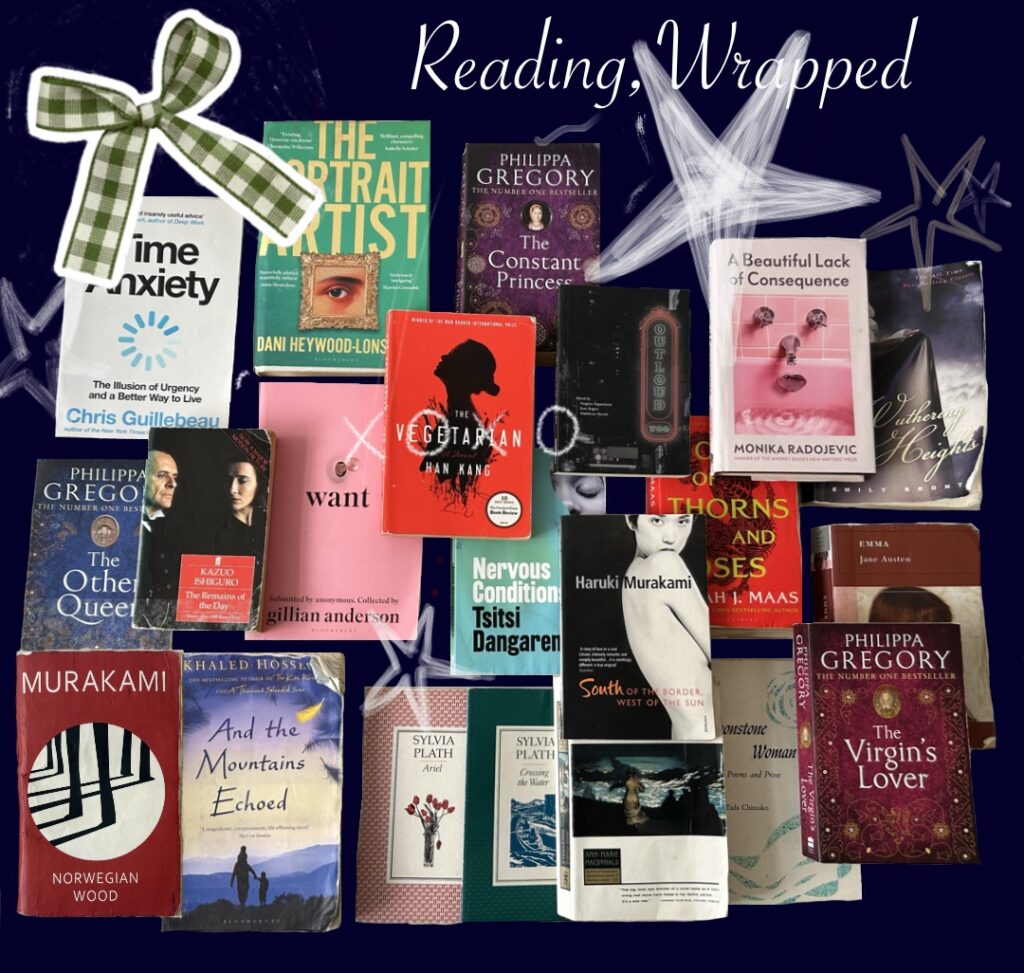
Three years of studying English, and force-feeding my brain to read three books a week, led to a near total expulsion of the habit from my life. To climb out of my wordless hole, I challenged myself to read 20 books in a year (Which, I’m aware, to some may sound pathetic, and to others (me), an insurmountable goal.)
I cemented my objective in sturdy biro underneath my new year’s resolutions, underlined for maximum pressure, slightly hesitant that I might be turning something I loved into a chore.
But reading is important. It is a moral act — I remind myself of my lecturer’s convictions — It encourages empathy and ethical contemplation. It is not ‘productive’ in a capitalist sense. Reading slutty tudor novels does not earn me more money or strengthen my social standing. It is a privilege and a pleasure. It also doesn’t give me a headache, which, shockingly, three hours of youtube shorts often does.
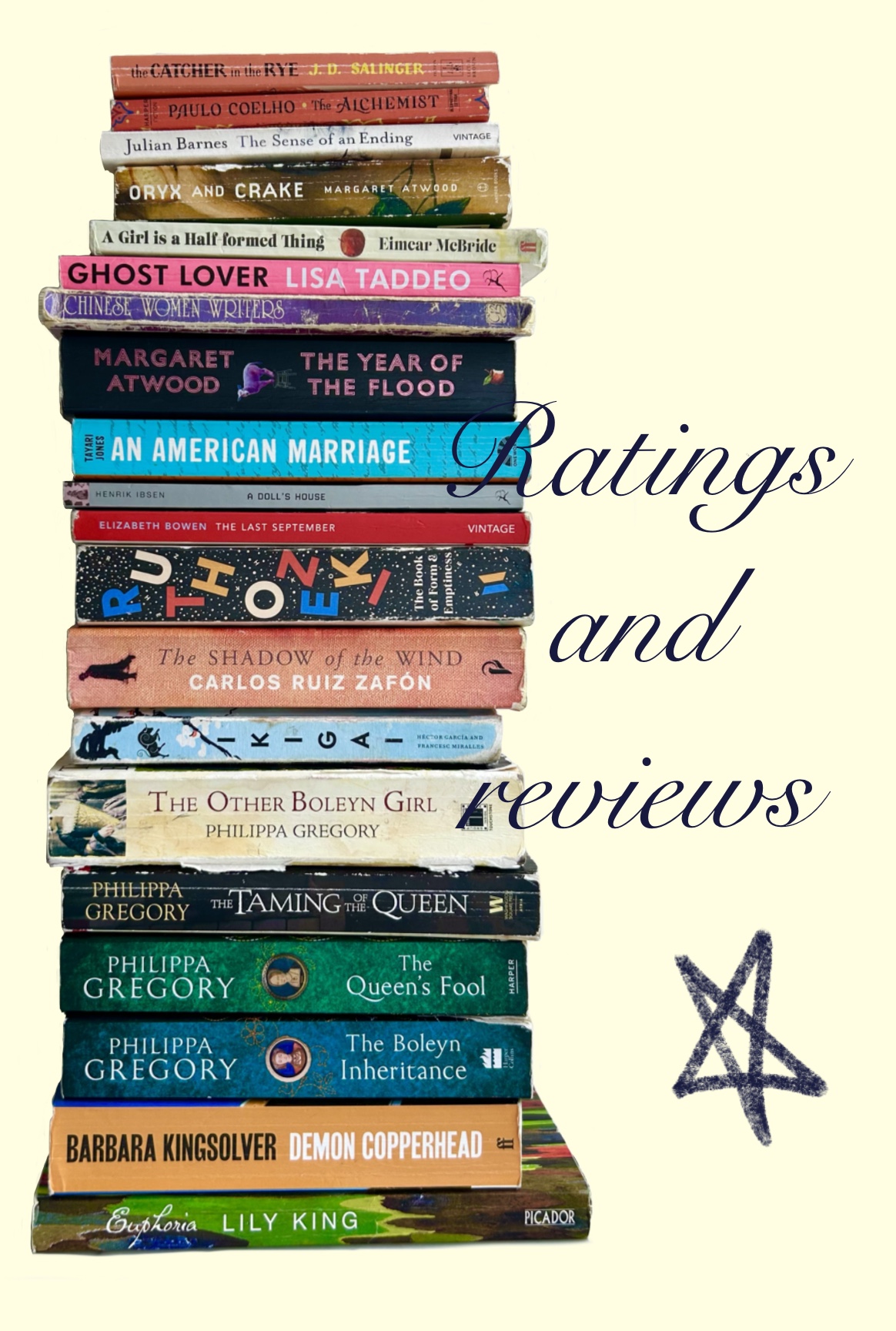
My perfectionism reigned supreme and I completed my goal. However, in order to maintain balance, I let the tall stack of finished books collect dust in the back of my wardrobe and, over six months later, I’m finally sitting down to review them (largely for my own little records, but perhaps to inspire you to read more too).
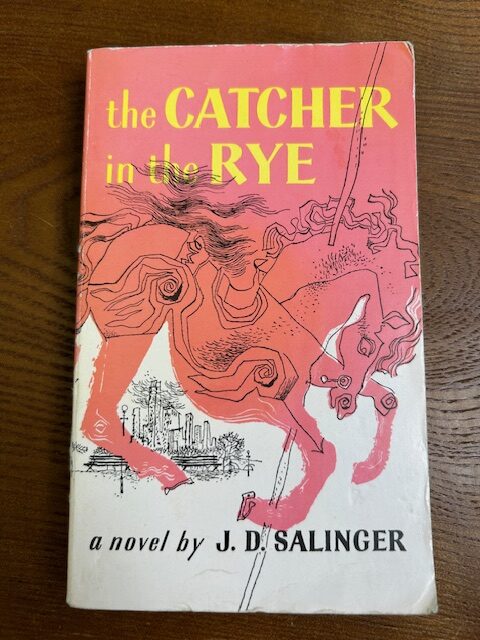
The Catcher in the Rye – J. D. Salinger ★ ★ ★
࿓ A classic American novel. Short, less about plot (or drama), and more about the inner workings of a mind affected by grief, adolescence, and social detachment. Interesting, but it didn’t change my life.
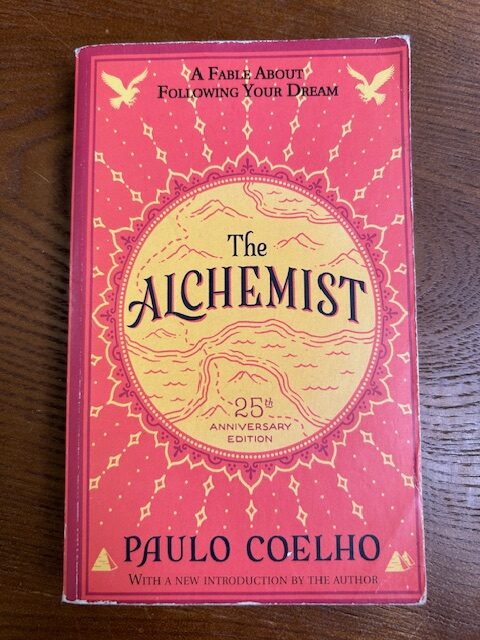
The Alchemist – Paulo Coelho ★ ★ ★
࿓ A sweet, fable-like novel which follows a shepherd’s journey to enlightenment. Simple (but effective) in its contemplation on intuition and harnessing personal power.
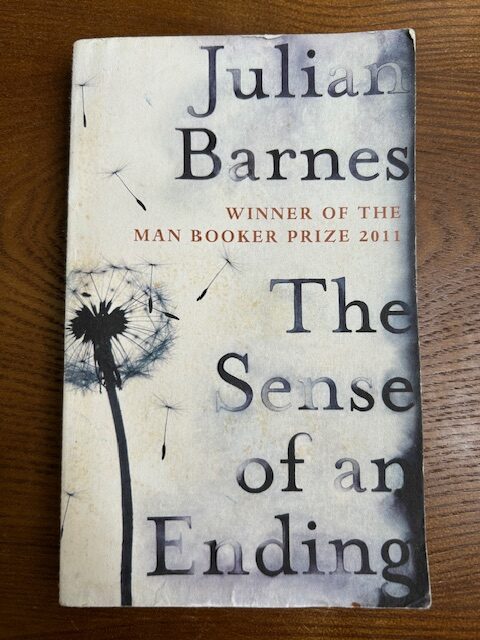
The Sense of an Ending – Julian Barnes ★ ★ ★ ★
࿓ A short but impactful exploration of memory, time, and responsibility. Examines relationships — in aspects both dull and devastating — with care and honesty. I enjoyed the mystery, the puzzling imagery, and the eventual twist.
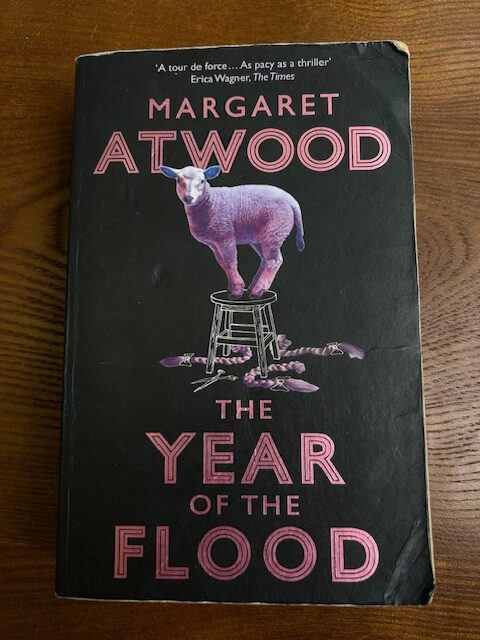
The Year of the Flood – Margaret Atwood ★ ★ ★ ★
࿓ Spectacular writing transports you into Atwood’s fantastical dystopia (an ironic read in the wake of COVID-19) as the remaining humans navigate a post-epidemic world — a world of rabbits and rakunks, corporate greed, and a thread of hope that is distinctly human.) Not my usual shtick, but the weight of the protagonists, Toby and Ren, stayed with me far beyond the final pages.
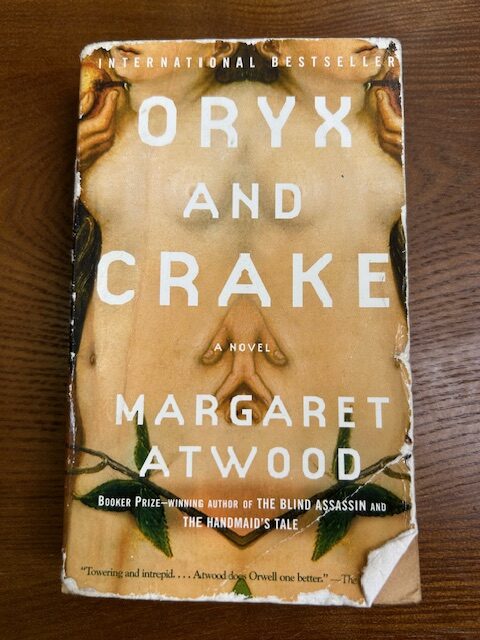
Oryx and Crake – Margaret Atwood ★ ★ ★
࿓ Unbeknownst to me, this novel came before The Year of the Flood, forming a 3-part series with the final novel, MaddAddam. I enjoyed the protagonist Jimmy’s perspective significantly less, but remained interested in the strange, apocalyptic world built by Atwood’s playful, lyrical prose.
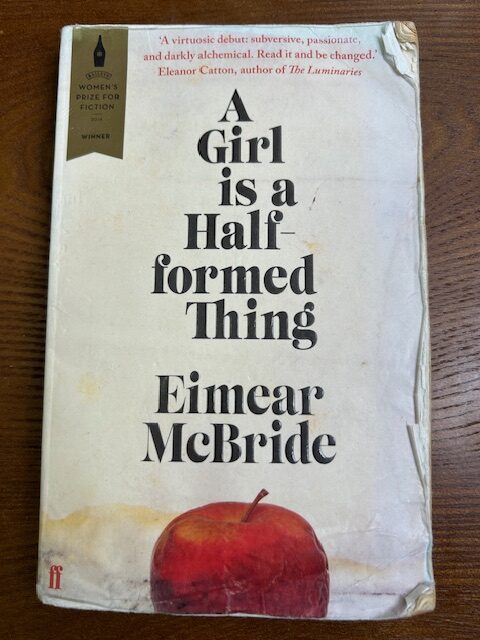
A Girl is a Half-formed Thing- Eimear McBride ★ ★ ★
࿓ A difficult read for many reasons. Difficult because the fragmented stream-of-consciousness style is at times overwhelmingly dense, difficult because the novel’s stark depiction of sexual abuse is extremely uncomfortable, and difficult because it is brutal and honest in displaying the human tendency towards self-destruction.
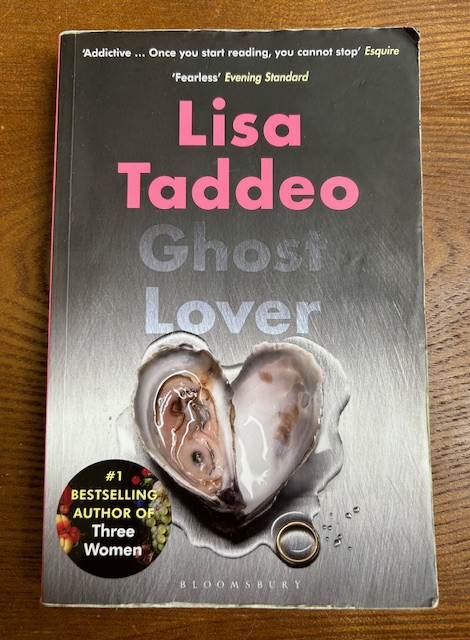
Ghost Lover – Lisa Taddeo ★ ★ ★ ★ ★
࿓ A collection of short stories propelled by sex, rage and desire. We are faced with a tangled, sometimes devastating, sometimes humorous, yet resoundingly relatable, image of humanity — littered with hypocrisy, delusion and yearning.
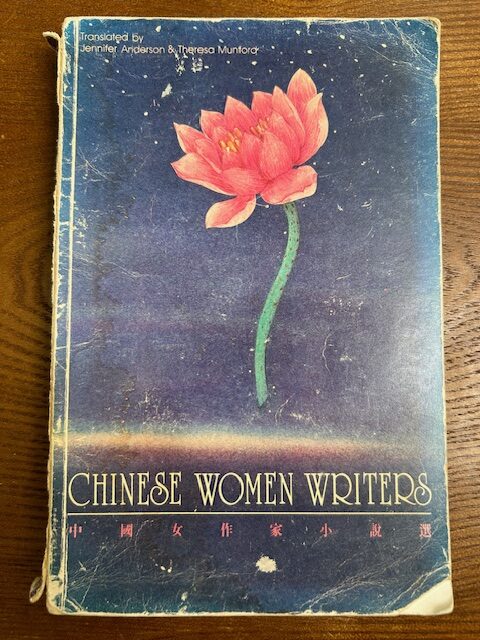
Chinese Women Writers – trans. by Jennifer Anderson and Theresa Munford ★ ★ ★
࿓ An insightful collection of short stories, enriched by Chinese history and anchored by personal explorations of femininity, family, and liberation.
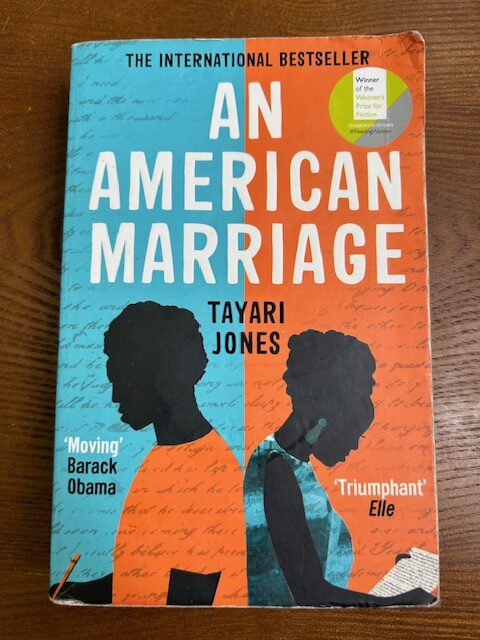
An American Marriage – Tayari Jones ★ ★ ★ ★ ★
࿓ Absolutely beautiful. A gut-wrenching portrait of a relationship, marred by a wrongful conviction and the choices which spiralled out as a result.
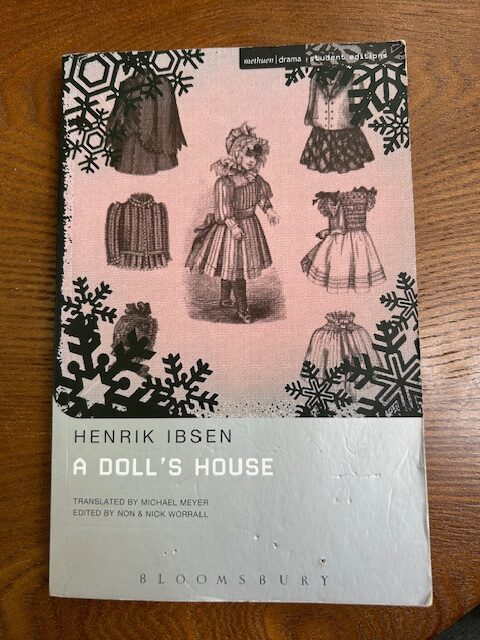
A Doll’s House – Henrik Ibsen ★ ★ ★ ★
࿓ A classic for a reason. Written in the 1800s but strikingly modern in sentiment. Ibsen injects sweet and frilly exteriors with the pulsing undercurrents of a thriller. The ending is my Roman Empire.
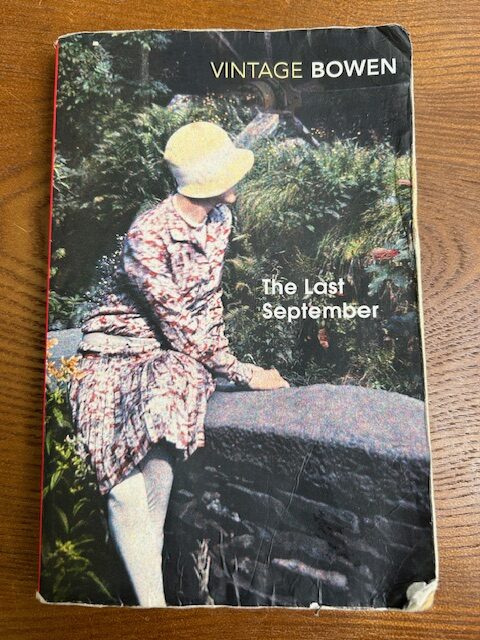
The Last September – Elizabeth Bowen ★ ★ ★
࿓ Did I pick it up because the main character’s name is Lois? Yes. But I just couldn’t get into this novel. Centred around the Irish Troubles, it’s an Atonement-esque, big house, personal/political story which felt a little slow.
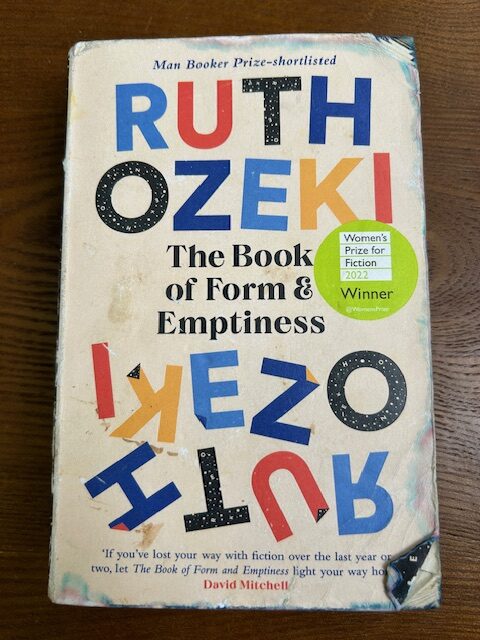
The Book of Form and Emptiness – Ruth Ozeki ★ ★ ★ ★
࿓ A slow start evolved into a story I adored. Ozeki uses magical realism (thank you GCSE English) to explore a young boy’s deteriorating mental health in the wake of his father’s death. The experimental form feels fresh and the characters intimate.
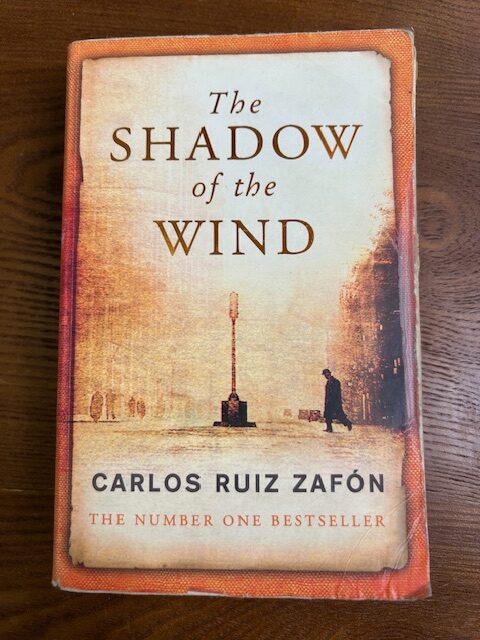
The Shadow of the Wind – Carlos Ruiz Zafón ★ ★ ★ ★ ★
࿓ A winding search for a mysterious author with an addicting plot, a genuinely surprising twist, and characters who evoke real warmth and life-affirming richness.
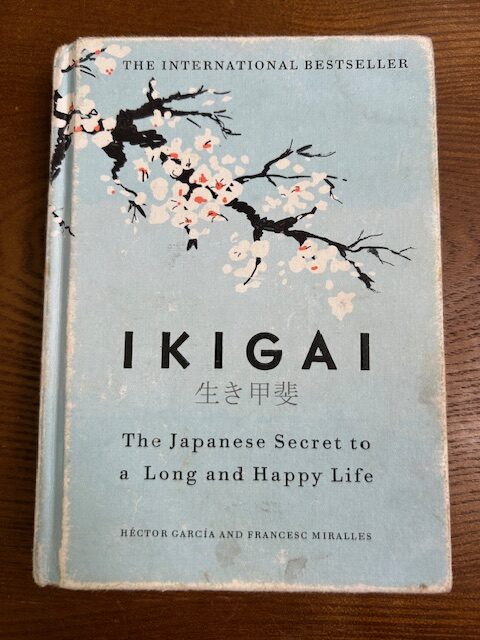
Ikigai – Francesc Miralles and Hector Garcia ★ ★ ★ ★
࿓ A lonely island of non-fiction in my sea of escapism, Ikigai is a beautiful exploration of traditional Japanese thought towards health, purpose, and longevity.
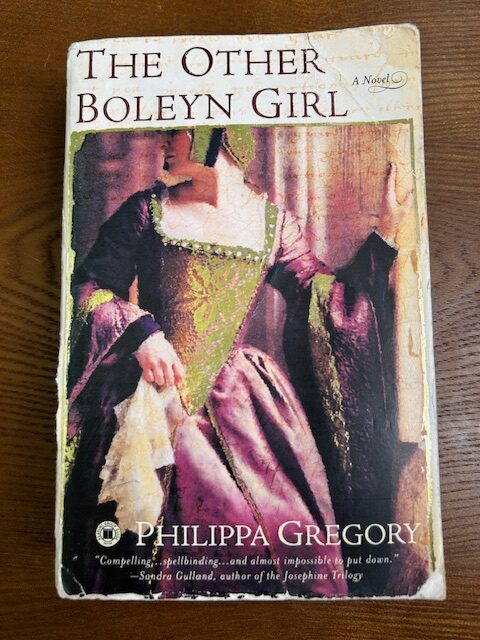
The Other Boleyn Girl – Phillipa Gregory ★ ★ ★ ★ ★
࿓ Its shocking to me that I spent years studying the Tudors feeling completely detached and disinterested, to then discover, as an adult, that I am completely infatuated with the era (perhaps all along I needed less Henry Tudor and more Mary Boleyn). These books are like Love Island but with jousting, feasts and beheadings. The gossip, the betrayal, the power! No notes.
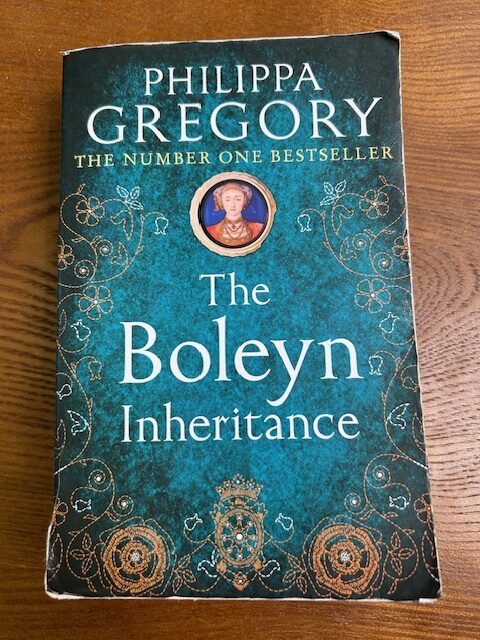
The Boleyn Inheritance – Phillipa Gregory ★ ★ ★ ★ ★
࿓ Gregory threads together the perspectives of three women in the wake of Anne Boleyn’s execution. His fifth wife, Katherine Howard, is the novel’s driving character — beguiling, ridiculous, but deeply tragic. Another book I could not put down!
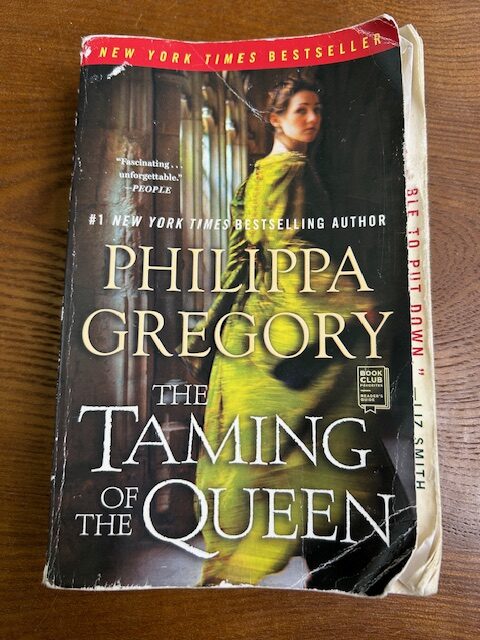
The Taming of the Queen – Phillipa Gregory ★ ★ ★ ★
࿓ Kateryn Parr, Henry VIII’s final wife, navigates a careful dance of survival as he grows older, sicker, and even more destructive. This novel is about quiet power and writing as a tool for emancipation. Parr is a Tudor icon, brought to the fore by Gregory’s brilliant writing.
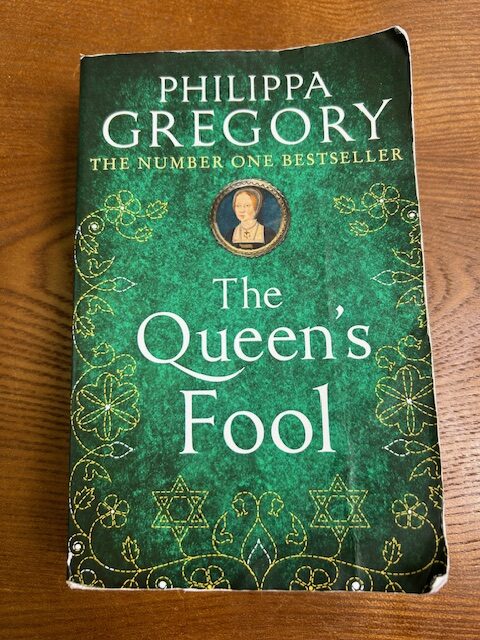
The Queen’s Fool – Phillipa Gregory ★ ★ ★ ★ ★
࿓ Gregory shakes her own systems and portrays the power battle between Henry VIII’s daughters, Mary and Elizabeth, through the young eyes of an outsider — the seer Hannah Green. A tense and pacy emotional cocktail of succession, secrecy and sisterhood.
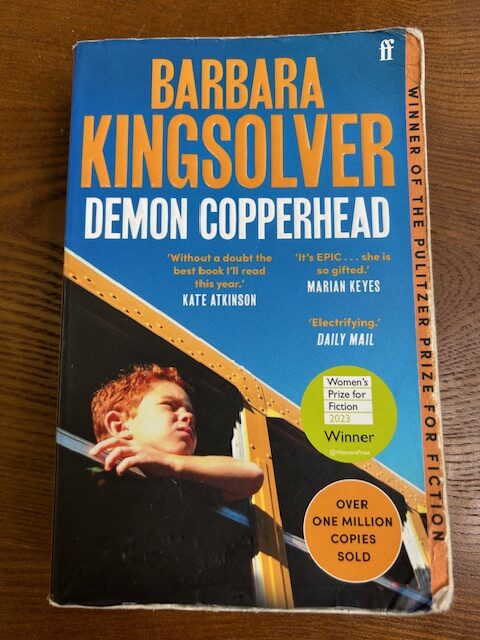
Demon Copperhead – Barbara Kingsolver ★ ★ ★ ★
࿓ Kingsolver’s modern David Copperfield powerfully stages the bleak reality of a child caught in cycles of abuse and addiction. A heartbreaking coming-of-age story is brightened by the strong narrative voice of Demon and his sarcastic, biting Appalachian dialect. Honest and important storytelling.
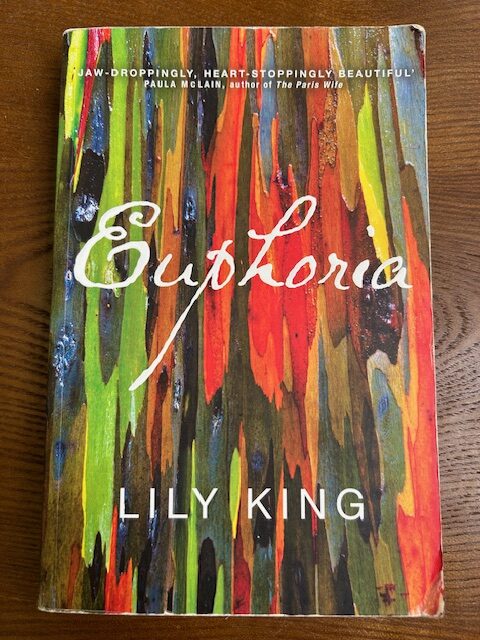
Euphoria – Lily King ★ ★ ★ ★
࿓ King’s story of three anthropologists interweaves desire and deeply personal conflict with professional rivalry and wider questions of scientific ethics. She builds such a strong, immersive setting and a tense web of emotion which pulls the novel towards its tragic end.
Many pages later and my love of reading has been well and truly revived. I would recommend this process to anyone either stuck in a reading rut or running on unsafe amounts of dopamine on the daily.
Happy reading:)